


As Europe’s largest economy and one of the most important manufacturing and logistics hubs, Germany plays a central role in shaping the future of energy, infrastructure and industrial transition.
Today, Europe is facing a changing and increasingly demanding energy landscape. Industries are navigating rising operational costs, geopolitical uncertainty, regulatory pressure and the challenge of decarbonising while remaining competitive. Across sectors, the focus is increasingly shifting towards solutions that are practical, scalable and ready to be implemented.
Germany’s industrial ecosystem relies on stable, flexible and reliable energy solutions capable of supporting manufacturing, transport, logistics and off-grid applications while responding to ambitious climate objectives. This creates a strong environment for discussions around liquid gases, renewable liquid gases and technology-neutral energy solutions.
The German market remains one of Europe’s strongest mobility and automotive markets, making it highly relevant for conversations around renewable fuels, Autogas, bioLPG and future low-carbon mobility solutions. The country’s industrial ecosystem naturally connects policy, manufacturing, technology development and commercial deployment in a way few other European markets can.
The scale of the German liquid gas market reflects this role. In 2025, more than 1.3 million tonnes of liquid gas were sold in Germany, an increase of 9.2% compared with the previous year. Tank gas sales increased by 10.9%, while industrial sales, including bulk deliveries to chemical companies, grew by 19.1%.
For the liquid gas sector, this market remains a vital space for innovation, mobility, renewable solutions and industrial applications. From heating and transport to off-grid and industrial use cases, liquid gases continue to support sectors where flexibility, reliability and scalability remain essential.
Within Germany, Bavaria has a particularly important role for the liquid gas sector. Together with North Rhine-Westphalia, it is one of the country’s strongest liquid gas markets in terms of sales. In 2025, liquid gas sales in Bavaria reached 256,238 tonnes, representing 19.5% of total German sales. Of this, 131,159 tonnes were tank gas.
Located at the edge of the Alps and shaped by its rural structures, Bavaria is characterised by a typical off-grid topography. As a result, liquid gas supply plays a particularly important role in the region.
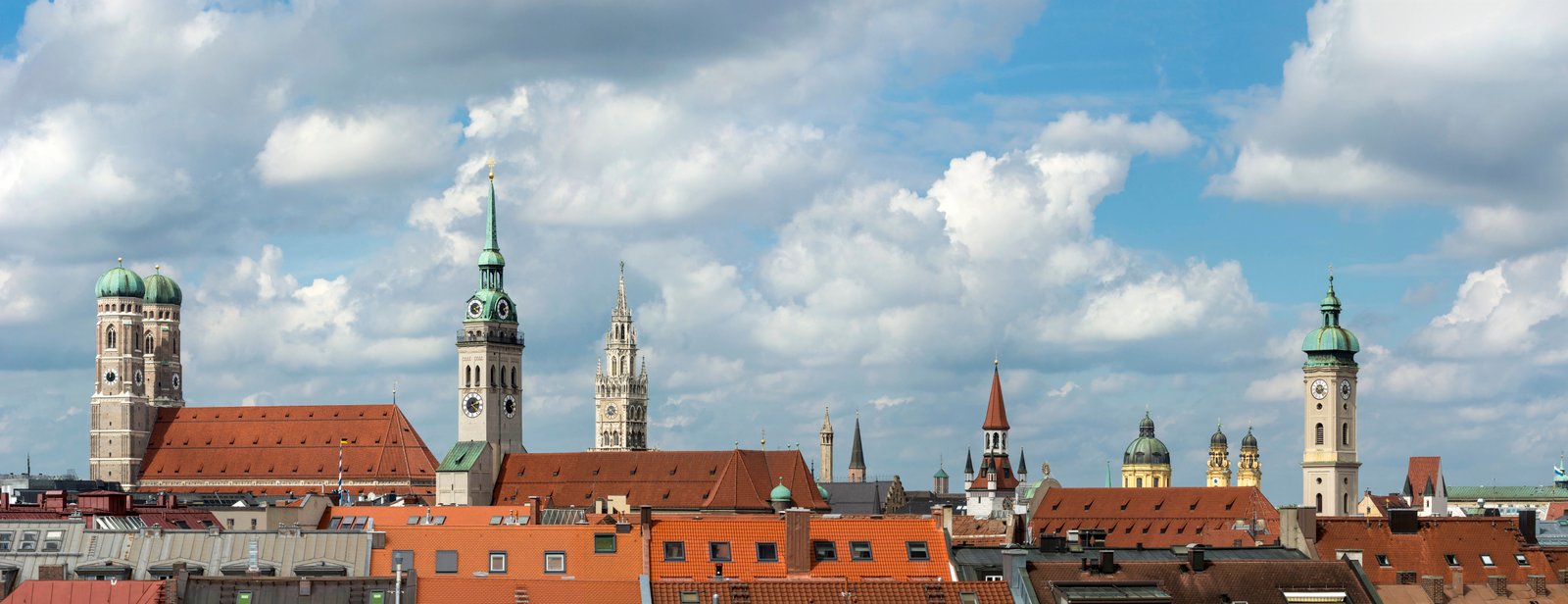
Munich reflects this positioning naturally as one of Germany’s leading business and innovation centres. It combines international accessibility with a strong industrial and technology-driven environment. The city hosts major international business events, advanced engineering sectors and global companies, making it a natural meeting point for industry leaders and decision-makers.
At a time when Europe is redefining its industrial and energy future, ELGC 2027 in Munich will provide a platform where discussions, partnerships and market opportunities can move the sector forward together.
